

Is Healthy Food Really Expensive — Or Does It Just Look Expensive?

A ₹200 box of healthy snacks can make us think twice. A ₹50 packet of biscuits? Easy to pick up.
But perhaps we are asking the wrong question.
Instead of asking “Why does healthy food cost more?”, should we ask “What am I getting for the money I spend on food?”
Because food isn't just an expense. It is an investment in our health.
Cheap food doesn't always mean better value
A low-cost packaged snack may be inexpensive because it is made at scale, uses inexpensive ingredients and is designed for a long shelf life.
A snack made with nuts, seeds, whole grains, millets, pulses, good-quality fats or other nutrient-rich ingredients can naturally cost more.
But the two aren't necessarily equivalent.
One may primarily provide calories, while the other may also provide protein, fibre, healthy fats, vitamins and minerals.
So perhaps we shouldn't compare food only by its price.
We should compare it by its nutritional value.
What about artificial additives?
Many packaged foods contain preservatives, colours, flavours, emulsifiers or other additives. These may be legally permitted within specified limits and that doesn't automatically make them unsafe.
But “permitted” doesn't mean “nutritious.”
The bigger question is how frequently we consume highly processed foods and what they replace in our diet.
If biscuits, chips, packaged namkeen, sugary drinks and ready-to-eat foods become everyday staples, they can gradually displace foods that provide protein, fibre and essential nutrients.
It's not about fearing every additive.
It's about looking at the overall pattern of what we eat.
Nutrition doesn't have to be expensive
Healthy eating also doesn't mean buying exotic superfoods.
Some of the most nutritious foods are incredibly familiar and affordable:
Dal and legumes for protein and fibre
Peanuts for protein and healthy fats
Roasted chana for protein and fibre
Sesame and other seeds for healthy fats and minerals
Ragi and other whole grains
Seasonal fruits and vegetables
Curd and other traditional foods
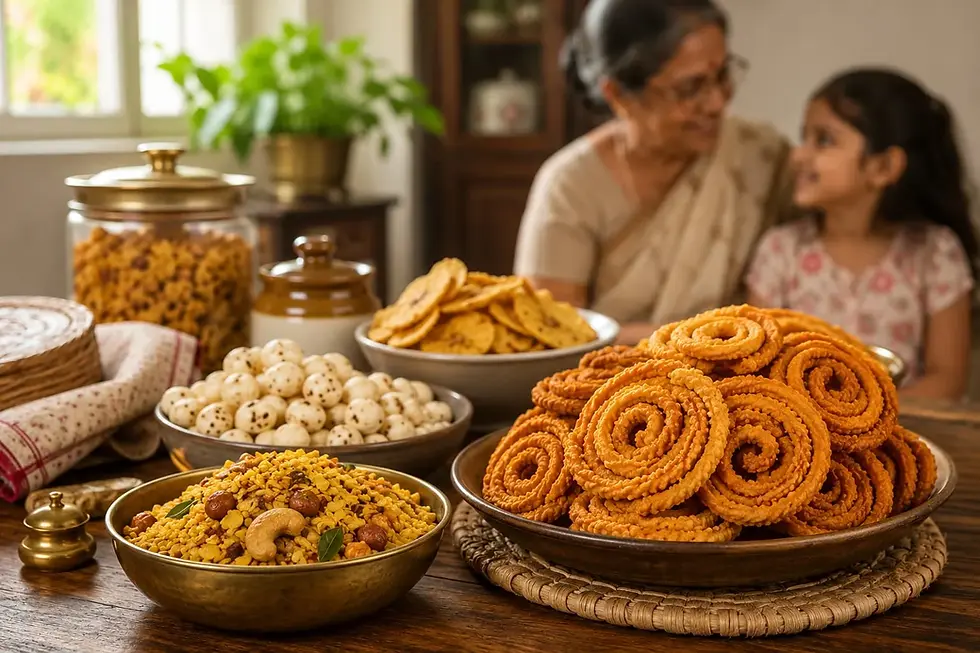
Our grandmothers didn't need a “superfood” aisle.
They had ingredients.
Think beyond today's grocery bill
Suppose you spend an additional ₹30–₹50 a day choosing better-quality food.
That's ₹10,950–₹18,250 a year.
It may sound like an extra expense.
But compare that with the costs we willingly incur when health becomes a problem:
Doctor consultations. Blood tests. Medicines. Specialist visits. Hospitalisation. Lost workdays.
No food can guarantee that we will never fall sick. Genetics, lifestyle, environment and many other factors matter.
But good nutrition is one area where we can make conscious choices every single day.
And prevention is often easier than correction.
The real question
The next time a healthier snack seems expensive, don't just ask:
“Why does this cost ₹150 when that costs ₹50?”
Ask:
“What ingredients am I paying for?”
“What nutrition am I getting?”
“How processed is it?”
“How often will I eat it?”
And most importantly:
“Is this food adding nourishment to my diet?”
Because healthy eating isn't about spending the most.
It is about spending thoughtfully.
Sometimes, the food that looks more expensive on the shelf may actually be the better investment in the long run.
At Good Munchy Basket, we believe...
You shouldn't have to choose between taste, tradition and better ingredients.
You should know what goes into your food, understand what you're paying for, and make a choice that feels right for you and your family.
Because food isn't just something we eat today.It's one of the investments we make in our tomorrow.
GoodMunchyBasket.com — Jahan Har snack ghar jaisa...


Comments